
How Bench Warrants Work in Duval County
Miss a court date in Duval County, ignore a court order, or skip another obligation, and the judge can issue a bench warrant. That order sends law enforcement to bring you in. It is not the same thing as a new arrest warrant, which rests on a complaint about an alleged offense, though both can land you in custody. One more wrinkle trips people up. A Duval County docket may say “capias” or “capias pro fine” rather than “bench warrant,” so ask the issuing clerk for the exact label on your file. For a first failure-to-appear setting in a justice or municipal court, Texas Chapter 45A requires notice and a chance to appear before any warrant issues. The rule also works in your favor after the fact: the court must recall a qualifying warrant when you appear voluntarily and make a good-faith effort before the warrant is executed. The clerk can walk you through the procedure. Only the court itself, though, can say how the rule applies to one specific case.
Duval County Bench Warrant Issuance
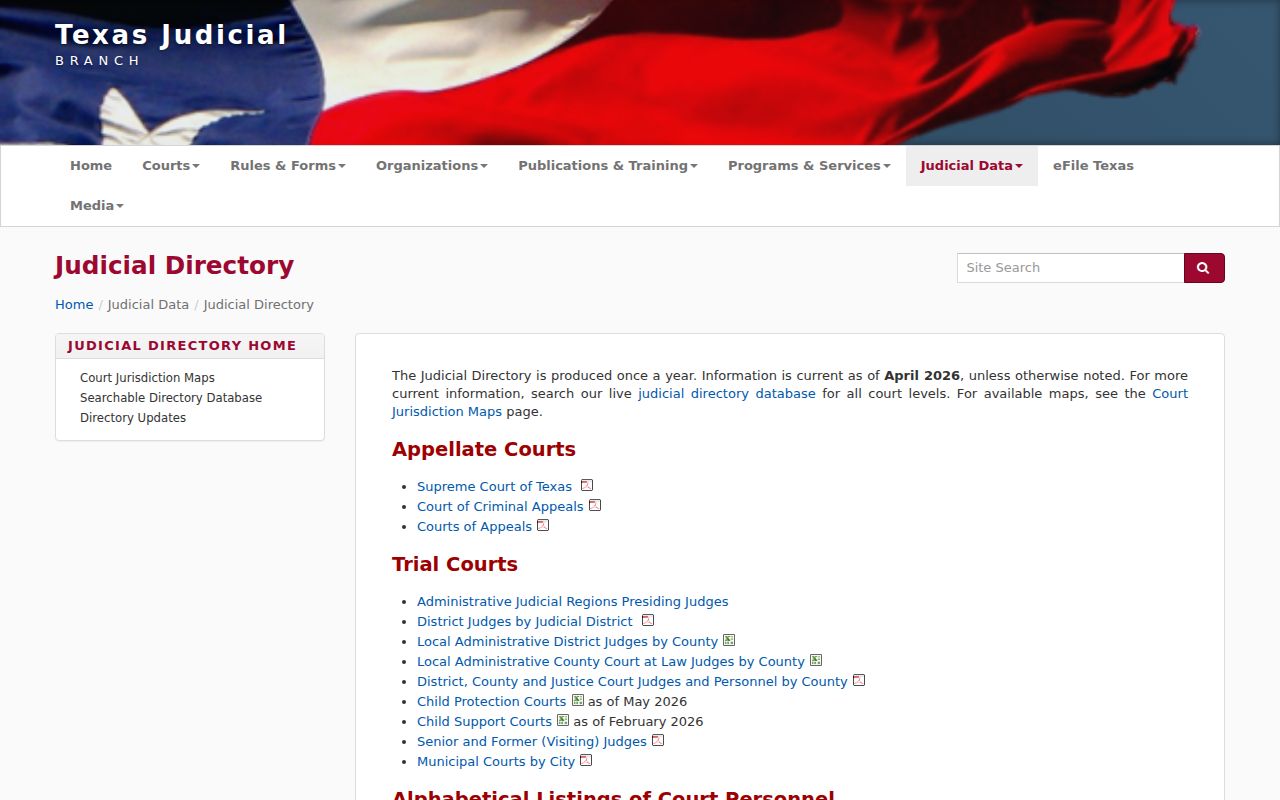
Each court in Duval County issues process for its own cases. A JP or municipal judge handles a Class C citation and any failure to appear tied to it. Those files sit with their own clerks. The court-hierarchy directory helps you pick the right level. It is not a name-based warrant search. For the roles each court plays, the Texas Judicial Branch overview covers district, county, JP, and municipal courts, and its directory page organizes the court types by level.
Find the Duval County court contact page for the case at hand. Then ask the clerk whether an order issued and what step it takes.
How Bench and Arrest Warrants Differ
Both can lead to an arrest. Their triggers differ. A bench warrant answers a missed court obligation in an open Duval County matter, while an arrest warrant rests on a probable-cause process tied to an alleged offense. A capias pro fine is narrower still, aiming at a fine or cost judgment under the court's process.
| Process | Common trigger | First record holder |
|---|---|---|
| Bench or FTA warrant | Missed court setting or noncompliance | Court that set the case |
| Arrest warrant | Magistrate reviews sworn probable-cause information | Issuing court or magistrate |
| Capias pro fine | Unpaid fine or costs after judgment | Justice or municipal court |
Clerks often use these terms loosely. In Duval County, the signed order and docket entry control, not a label heard secondhand.
Chapter 45A and Duval County Recall Steps
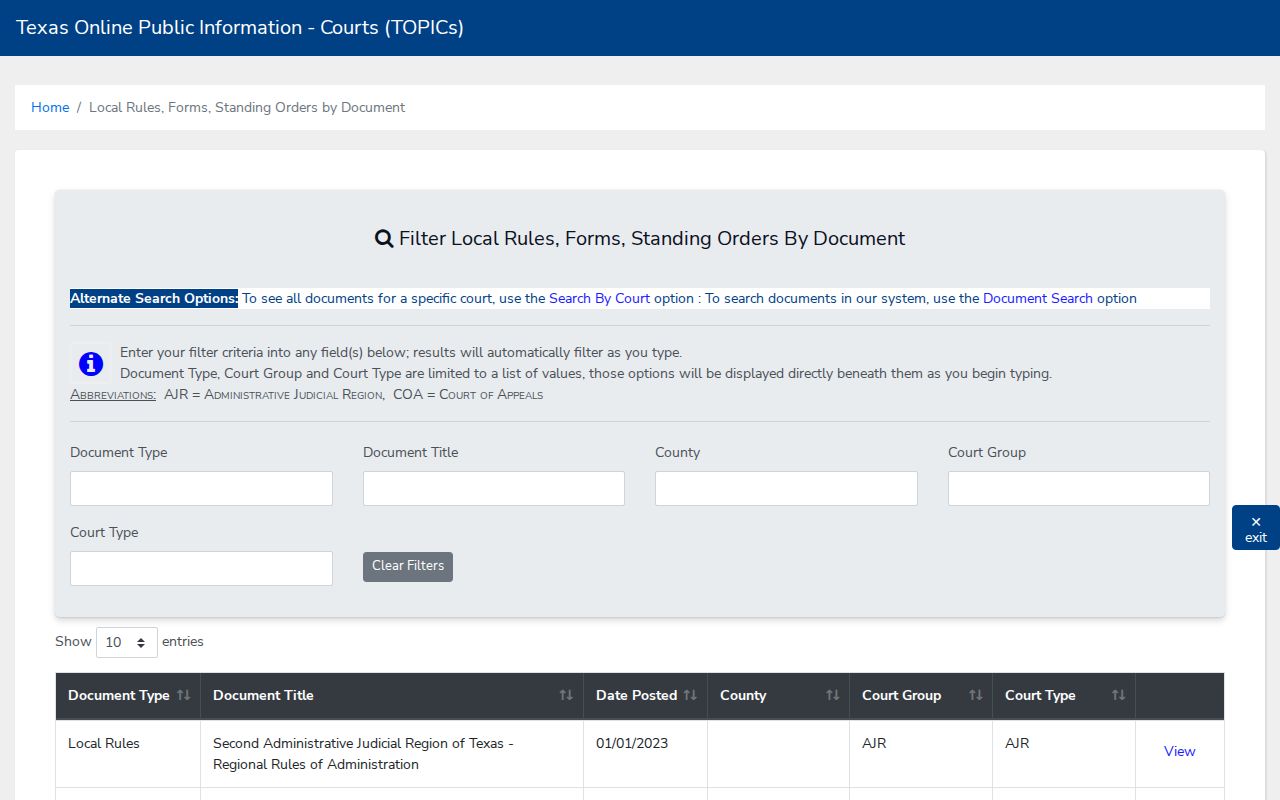
Chapter 45A governs JP and municipal matters. It sets the current process for the first failure-to-appear notice, warrant recall after a good-faith voluntary appearance, bail, and capias pro fine. Duval County publishes no countywide recall form. There is no fixed bond schedule or walk-in surrender instruction either. So ask the issuing court what it accepts. An attorney can arrange the appearance. The Texas local-rules and forms search lets you filter by county, court group, type, title, and document kind, and no standing Duval warrant recall order shows up there.
A Duval County court may still keep its own form. Ask the clerk for the current filing method.
Clearing a Bench Warrant in Duval County
Start with the issuing court. Ask whether the warrant remains active and whether a voluntary appearance before execution is accepted. From there, ask about a reset, payment, an attorney-filed motion to recall or quash, a hearing, or another court-approved remedy, since paths vary by case type. A payment page cannot promise that a Duval County court recalled a separate warrant.
- Call the clerk named on the citation or docket and confirm the record status.
- Ask what form, hearing, amount, or appearance the court requires.
- For Freer matters, review the official Reply Form and relevant payment or relief instructions.
- For a district case, call the 229th coordinator or have counsel contact the court.
- After the step is complete, ask for written confirmation and an update timeline.
A phone call may explain a procedure, but Freer Municipal Court says a call is not an appearance. Ask the court what action formally changes the docket or warrant.
Duval County's Four JP Warrant Counters
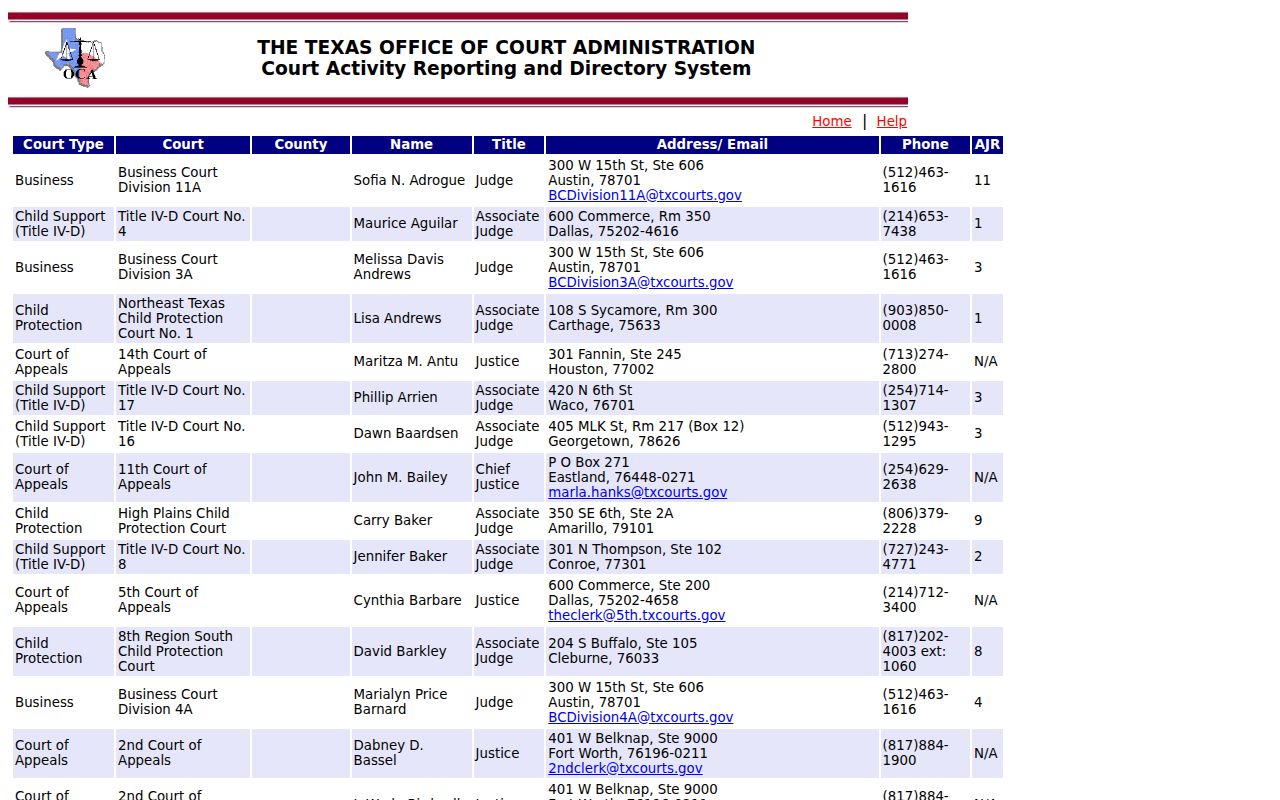
Duval County runs four justice-of-the-peace counters. JP1 and JP2 sit in San Diego, JP3 at the Benavides Civic Center, and JP4 out in Freer. Check the precinct printed on your citation. That detail points you to the right clerk. A city municipal court and the JP serving the same town are separate offices, so a Benavides ticket and a JP3 matter land with two different clerks. The JPs handle Class C cases, probable-cause functions, magistrations, bail examinations, and their own traffic and failure-to-appear records. The state's live court directory can confirm public court information. It will not display a Duval County resident's warrant status, so treat it as a court-finding aid rather than a warrant lookup. The directory's Texas live court directory page lays out its search controls for locating a court.
The Duval County JP directory lists each clerk's current phone. Match that listing to the court named on your notice.
Freer Court Forms After a Missed Date
Freer Municipal Court posts a formal Reply Form for responses and requests. Its menu is broad. Options include a 30-day extension, a payment plan, an ability-to-pay request, a community-service hearing, jail credit, a not-guilty plea, a driver-safety course, and deferred disposition. Each request may carry a deadline or a supporting-paper requirement. Don't count on money alone. A payment by itself will not resolve a warrant. The court warns that a full online or phone payment enters a guilty or no-contest plea and a judgment of guilt. Cash is not accepted. Payment plans need court approval before any partial payment. These rules are Freer's alone, so ask San Diego, Benavides, or a Duval County JP clerk about that court's procedures.
Duval County Setting Changes Before Travel
Calendars shift, so check before you drive. Duval County posts cancellation and postponement notices on its county docket page, and the 229th District Court warns that its own calendar can change on short notice. If a missed appearance sits in the case history, a quick call settles things. Confirm the courtroom, the date, and whether the court still expects an appearance. The District Court coordinator handles Duval County criminal scheduling and can walk through filing and calendar procedure, though staff cannot advise anyone on the merits. Write down who you spoke with and what they said.
Child-Support and Jury-Duty Bench Warrant Questions
Duval County runs no separate child-support warrant counter and no jury-duty warrant search. Take a family or support enforcement matter straight to the district or family clerk named on the case paperwork instead of hunting through warrant lists. Jury-duty questions go to the District Clerk, per the 229th court. Skipping jury service does not automatically become a criminal bench warrant in Duval County; it may sit as a different record entirely. Never push a family-court entry through a traffic payment portal. The safer move is asking the issuing office whether the entry is a warrant, a contempt order, or some other court action, plus what appearance or filing it demands.
Duval County Bench Warrant Status Terms
Docket labels read like code, so ask the Duval County clerk to separate a served order from one withdrawn or still pending. Quashed means the court set the warrant aside. Recalled means it pulled the order back. A payment can settle the money owed yet leave connected systems unupdated.
- FTA
- Failure to appear at a required court setting.
- Capias
- Texas warrant terminology used to bring a person before a court.
- Capias pro fine
- A fine-collection writ after judgment, subject to Chapter 45A rules.
- Recall or quash
- A court action withdrawing or setting aside a warrant.
For a case-specific status, the issuing court's record controls.
Duval County Courts That Issue Bench Warrants
Start with the court that set the case. Felony matters in Duval County belong to the 229th Judicial District Court and its District Clerk. County-court records sit with the County Clerk. Justice and municipal courts keep their own Class C, traffic, and ordinance dockets. A sheriff or constable may serve the papers, but the local sources do not tie every case type to one precinct officer.
Duval County Sheriff's Department
County service questions
Administration: (361) 279-6209
Duval County Bench Warrant Clearance
Once you appear, pay, or obtain an order, press for details. Ask the Duval County clerk when the case record itself gets updated and whether the sheriff or constable needs separate notice. If a citation went to OmniBase, ask the court when it sends the closure; DPS cautions that a reported FTA/FTP status can take time to clear. Keep the receipt, the order, and the clerk's written confirmation in one place. An old docket PDF proves little. So does a vendor payment screen. A real answer names the issuing court, states the exact warrant status, and lists any date or condition still open.